
Plastic CNC Machining: Perfect Solutions for Lightweight and Durable Components
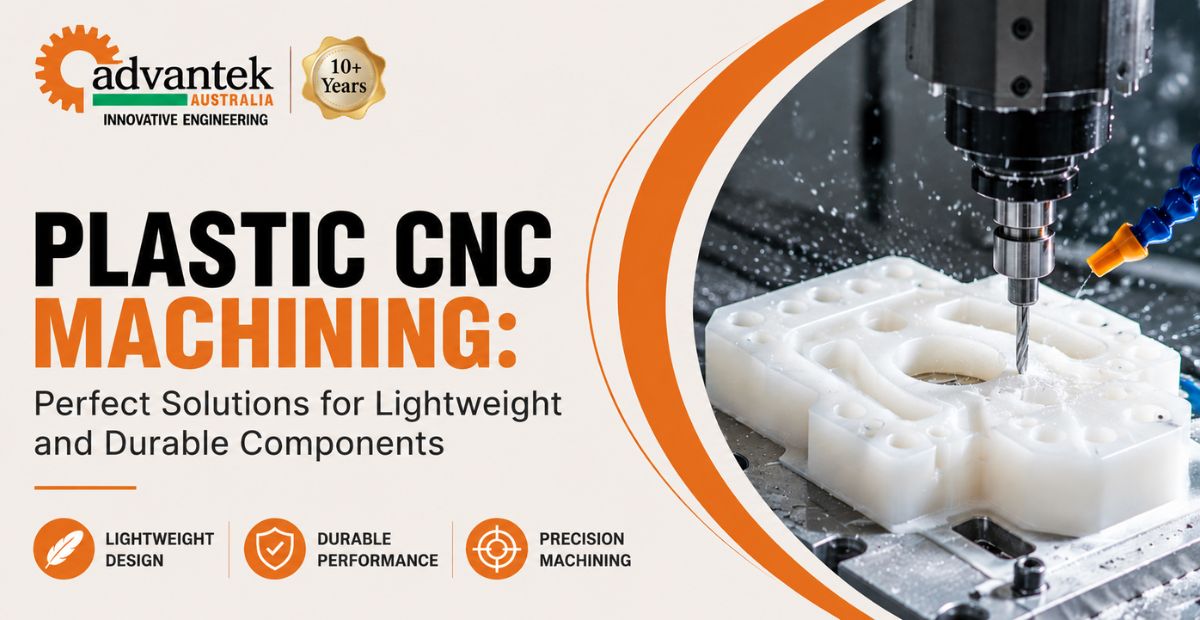
Manufacturers across Australia are searching for faster, lighter, and more cost-effective production methods. That is why plastic CNC machining Sydney services are becoming increasingly popular in industries that require precision and long-term durability. Businesses now rely on advanced machining solutions to improve product performance.
Modern production environments demand materials that are strong yet easy to shape with accuracy. This is where plastic component manufacturing offers a practical advantage. CNC machining helps manufacturers create custom parts with tight tolerances, smooth finishes, and reliable consistency while reducing material waste and production delays.
Why Plastic CNC is Growing Across Australian Industries?
The demand for engineered plastics has increased rapidly because industries now prioritise lightweight construction and operational efficiency. Manufacturers no longer depend only on metal components when modern plastics can achieve similar durability in many applications.
Advanced plastic manufacturing allows businesses to create highly accurate parts suitable for demanding environments. CNC machining provides repeatable precision, making it ideal for prototypes, low-volume production, and large manufacturing runs.
Australian industries also prefer CNC-machined plastics because they resist corrosion, reduce overall equipment weight, and perform well under harsh operating conditions. These advantages help businesses lower maintenance costs while improving product longevity.
CNC Plastics and Their Industrial Benefits
Plastic usage has transformed modern engineering because these materials combine strength, flexibility, and thermal stability. CNC machining makes it possible to shape plastic materials into complex geometries that would otherwise be difficult to produce.
Some commonly used engineering plastics include ABS, nylon, PEEK, acrylic, HDPE, PTFE, and polycarbonate. Each material serves a specific purpose depending on environmental exposure, strength requirements, or chemical resistance.
For example, PEEK is often used in aerospace and medical sectors due to its heat resistance, while nylon works well for industrial gears and bushings because of its low friction properties.
How Plastic CNC Machining Improves Manufacturing Efficiency?
Businesses constantly look for ways to shorten production timelines while maintaining quality. That is where plastic machining Sydney solutions provide a strong advantage. CNC technology automates precision cutting and shaping. It also reduces manual errors and improves turnaround times.
Machined plastic parts also require less secondary finishing compared to traditional fabrication methods. This streamlines the manufacturing process and reduces labour costs.
Advantek Australia help Australian manufacturers access precision machining services tailored to industrial applications. Their expertise in engineered materials supports businesses needing reliable and accurate plastic components for specialised operations.
Industries That Depend on Plastic Component Manufacturing
The demand for plastic component manufacturing continues to grow because different industries require lightweight yet durable materials for modern products.
Automotive Industry
Automotive manufacturers use CNC-machined plastics for dashboards, electrical housings, bushings, and interior trim components. Lightweight materials help improve fuel efficiency while maintaining structural reliability.
Medical and Healthcare Sector
Medical equipment manufacturers rely on CNC plastics for surgical instruments, diagnostic devices, and sterilisation-resistant components. Precision machining ensures high accuracy for critical healthcare applications.
Aerospace and Aviation
Aircraft manufacturers prioritise lightweight materials to reduce fuel consumption. CNC machining supports the production of complex aerospace components that maintain dimensional stability under pressure.
Food Processing Industry
Food-safe plastics such as HDPE and PTFE are widely used in conveyor systems, cutting surfaces, and packaging machinery because they resist contamination and corrosion.
Electronics and Electrical Applications
Precision-machined plastics are commonly used in insulation systems, switchgear components, and electronic enclosures due to their electrical resistance and durability.
Key Advantages of CNC Plastics Over Metal Components
- Modern manufacturers increasingly choose plastics because they provide several operational advantages compared to traditional metal materials.
- Plastic components are significantly lighter, making transportation and assembly easier. Many plastics also resist corrosion naturally, eliminating the need for additional protective coatings.
- Another important advantage is chemical resistance. Industries exposed to moisture, oils, and industrial chemicals often prefer engineered plastics because they maintain performance in harsh environments.
- Machined plastics also reduce noise and vibration in mechanical systems. This makes them ideal for industrial machinery where smoother operation is important.
Precision Engineering and Tight Tolerances in Plastic CNC Machining
Accuracy is critical in modern manufacturing. Advanced CNC machining Sydney services use computer-controlled equipment capable of achieving extremely tight tolerances. Precision machining is especially important in sectors like aerospace, healthcare, and electronics, where even minor dimensional errors can affect performance.
CNC systems can repeatedly produce identical components with minimal deviation, ensuring consistent quality throughout large production runs. Industry studies show that lightweight engineered plastics can reduce component weight by up to 60% compared to metal alternatives, depending on application design and material selection.
Why Australian Manufacturers Prefer Local CNC Machining Services?
Working with local machining providers offers several operational benefits. Businesses gain faster communication, shorter delivery times, and easier quality control processes. Reliable plastic manufacturing services also help reduce import dependency, allowing Australian companies to maintain better supply chain stability.
Local CNC machining providers understand Australian industry standards and environmental conditions, making them better equipped to deliver durable solutions for domestic businesses.
The Role of Advanced Technology
Technology continues to improve machining precision and efficiency. Modern CNC systems use advanced software, multi-axis machining, and automated quality inspection tools to produce highly detailed components.
These innovations allow manufacturers to create more intricate parts while maintaining consistency across production batches. Companies specialising in CNC plastics can now achieve smoother finishes, tighter tolerances, and faster turnaround times than traditional machining methods allowed in the past.
Sustainability Benefits
Sustainability is becoming increasingly important across manufacturing sectors. CNC machining supports environmentally conscious production because it reduces unnecessary waste through accurate cutting and efficient material use.
Many engineering plastics are also recyclable, helping manufacturers lower their environmental impact. Lightweight plastic components contribute to lower fuel consumption in transport and automotive industries, supporting broader sustainability goals.
Choosing the Right Plastic Material for CNC Machining
Selecting the correct material is essential for achieving long-term performance. Factors such as temperature exposure, chemical contact, mechanical stress, and moisture resistance must all be considered before machining begins.
Experienced machining specialists evaluate each project individually to determine the most suitable material for the intended application. Advantek Australia assist businesses in choosing high-performance materials that balance strength, durability, and cost-effectiveness.
Future Trends in CNC Machining
The future of plastic machining Sydney services looks promising as industries continue shifting towards lightweight engineering solutions.
Automation, robotics, and AI-driven production systems are improving machining speed and precision. At the same time, new engineering plastics are being developed to withstand higher temperatures and harsher industrial environments.
As industries continue prioritising energy efficiency and sustainability, CNC-machined plastics will likely play an even larger role in advanced manufacturing.
Why Businesses Trust CNC Plastic Solutions for Modern Manufacturing?
Manufacturers today need components that combine durability, precision, and lightweight performance. CNC machining delivers all these advantages while supporting fast production and reduced operational costs.
The growing popularity of plastic component manufacturing proves that engineered plastics are no longer just alternatives to metal. In many applications, they are now the preferred choice because they offer superior flexibility, corrosion resistance, and design efficiency.
Australian businesses looking for dependable machining solutions continue partnering with experienced providers such as Advantek Australia to access precision-engineered plastic components built for demanding industrial environments.
Frequently Asked Questions
What is plastic CNC machining used for?
Plastic machining Sydney services are used to create precision components for automotive, medical, aerospace, electronics, and industrial applications. The process delivers accurate and durable parts with consistent quality.
Why are CNC plastics better than some metal components?
They are lighter, corrosion-resistant, and easier to machine compared to many metals. They also reduce vibration, resist chemicals, and improve fuel efficiency in transport applications.
Which industries benefit most from plastic component manufacturing?
Industries such as healthcare, aerospace, food processing, mining, and automotive manufacturing benefit greatly from plastic component manufacturing because of the need for lightweight and durable materials.
Can CNC-machined plastic parts handle high temperatures?
Yes, some engineering plastics, such as PEEK and PTFE, are specifically designed to withstand high temperatures and harsh industrial conditions while maintaining structural performance.
Are plastics suitable for custom manufacturing projects?
Yes, CNC plastics are ideal for custom production because CNC machining allows precise shaping, rapid prototyping, and highly accurate component manufacturing for specialised applications.
Get In Touch
Get In Touch

ISO 9001:2015 CERTIFIED

Address
3/80 Hassall Street,
Wetherill Park NSW 2164
Follow Us
© Copyright 2024 All Rights Reserved. Website Design & Developed By WebGlobals